Hetauda-9: the ward where falling ill doesn't mean hunting for money
Chronic patients here need not buy regular medicine, and check-ups carry no fee.
Pratik Devkota1 hr agobagmati
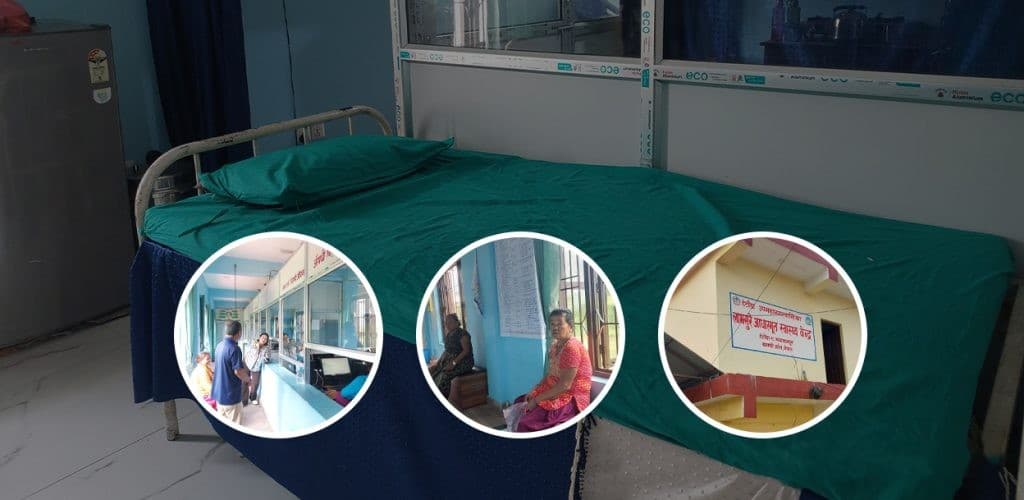
For many families, a long-term illness can bring a financial burden that continues month after month. But residents of Hetauda Sub-Metropolitan City–9 are receiving a different kind of support, with their local ward providing a wide range of healthcare services without charging patients.
At the Lamsure Basic Health Centre, residents can receive medical consultations, health examinations and medicines free of cost. The initiative has particularly benefited people living with chronic conditions who require regular medication.
The program has been operating continuously for more than four years after the ward began giving greater priority to healthcare in 2079 BS. The health centre was developed under a community-based concept aimed at bringing essential medical services closer to local residents.
According to the health centre, around 40 to 50 people visit the facility each day for treatment, medical examinations and medicines for chronic illnesses. Over approximately four and a half years, around 13,000 people have benefited from free treatment and medication.
The centre provides medicines supplied through the government health system as well as additional medicines purchased directly by the ward. In total, residents can access around 180 types of medicines through the two sources.
The program covers patients suffering from conditions such as high blood pressure, diabetes, heart disease, mental health disorders, thyroid problems, arthritis and high cholesterol. Some comparatively expensive medicines required for conditions such as prostate problems and respiratory illnesses are also provided without charge.
For families with limited incomes, the support can represent a significant saving. Ward officials say some patients receive medicines worth several thousand rupees every month, reducing the pressure on households that might otherwise struggle to afford long-term treatment.
Growing Investment in Local Healthcare
The initiative began with an allocation of Rs 500,000 in 2079 BS. The ward subsequently increased its investment, allocating Rs 1 million the following year and raising the healthcare budget to Rs 2 million by 2083 BS.
The program has also received support from outside the ward. The Bagmati Province Ministry of Health provided Rs 1 million during fiscal year 2082/83, which was used to purchase medical equipment. A similar amount has been allocated for the current fiscal year.
Private-sector assistance has also contributed to the expansion of services. A local paint company provided Rs 500,000, which was used to purchase equipment for maternal health examinations.
The ward also provides annual financial assistance to the Human Service Ashram located in Hetauda-9. The support is intended to help cover healthcare and medication costs for elderly people living at the facility.
Healthcare Reaches Residents at Home
The ward's healthcare program is not limited to people who are able to travel to the health centre.
Health workers also visit residents who are elderly, chronically ill, disabled or otherwise unable to reach the facility. Home-based support is also available for patients who require oxygen.
A team of female community health volunteers assists with delivering these services to households, allowing vulnerable residents to receive basic medical support without having to arrange transportation to the health centre.
The facility itself is staffed by health professionals including senior and regular auxiliary health workers, a maternal and child health worker, a laboratory assistant and support staff. The ward also operates two community clinics, which are held twice a month at local religious sites.
Planning Services Around Local Health Data
The ward's healthcare strategy was partly shaped by a household-level health survey conducted in 2079 BS. Officials collected information from households across 24 community development organizations to determine the illnesses affecting residents and identify the area's major health concerns.
The data showed a significant presence of chronic diseases, particularly hypertension and diabetes. The health centre continues to maintain records of new and returning patients receiving treatment for various non-communicable diseases.
The ward has also responded to the area's cancer burden. According to ward officials, 20 residents died from cancer between 2079 and 2083 BS. The experience has encouraged the ward to increase investment in preventive and accessible healthcare alongside its broader focus on education.
Specialist Care Closer to Home
Free medicines are only one component of the program. Recognizing that chronic disease management often requires specialist advice, the ward has arranged regular specialist consultations at the local health centre.
Through an agreement with the Madan Bhandari Academy of Health Sciences, physicians visit the facility twice a month. Specialists in women's health and radiology also provide services on a scheduled basis.
This arrangement allows residents who would normally have to travel elsewhere for specialist advice to receive consultations within their own community.
The health centre also operates a laboratory capable of conducting around 20 types of medical tests, with patients not required to pay for those examinations.
The experience of Hetauda–9 demonstrates how local governments can use community health data, dedicated funding and partnerships with government and private institutions to build accessible healthcare services. Rather than limiting support to basic treatment, the ward has attempted to create a broader system covering medicines, diagnostics, specialist consultations and home-based care.
Comments and discussion
Share your thoughts on this story.
Readers' comments
There are no approved comments yet.
Be the first to comment.